
Our products

From fertilisers and raw materials to cereals, animal feed and seeds.

Fertilisers and plant nutrition

We provide sourcing solutions for distributors, importers, agricultural companies and industrial users in the fertiliser sector. HEYOX AG supports its partners in identifying the products and formulations that meet their technical and commercial requirements. We offer a wide range of compound and complex fertilisers and can supply any formulation made to order, according to customers' needs and specifications.

  • Compound and complex fertilisers (NPK / NP / PK / NPKS)
  • NPK 15-15-15
  • NPK 16-16-16
  • NPK 20-10-10
  • NPK 12-12-17 + MgO
  • NPK 15-15-15 + SO₃
  • PK 0-20-25
  • Other NPK, NP, PK and NPKS formulations on request
  • Nitrogen fertilisers
  • Urea 46 % (granular and prilled)
  • Calcium ammonium nitrate (CAN 26–27 %)
  • Ammonium sulphate 21 %
  • Ammonium nitrate
  • UAN nitrogen solutions
  • Phosphate fertilisers
  • Granular MAP 11-52-0 / 12-52-0
  • DAP 18-46-0
  • TSP 0-46-0
  • SSP
  • Rock phosphate
  • Potash fertilisers
  • Potassium chloride (MOP 0-0-60)
  • Potassium sulphate (SOP 0-0-50)
  • Potassium nitrate 13-0-46
  • Monopotassium phosphate (MKP 0-52-34)
  • Water-soluble fertilisers
  • NPK 20-20-20 + trace elements
  • NPK 13-40-13 + trace elements
  • NPK 12-12-36 + trace elements
  • MAP (monoammonium phosphate) 12-61-0
  • MKP 0-52-34
  • Calcium magnesium nitrate
  • Magnesium sulphate
  • Other water-soluble formulations on request
  • Secondary nutrients and trace elements
  • Magnesium sulphate
  • Zinc sulphate
  • Manganese sulphate
  • Boric acid
  • Chelated iron and zinc
  • Trace element mixes

Typical grades

Compound and complex NPK
Each granule contains nitrogen, phosphorus and potassium, with optional magnesium (MgO) or sulphur (SO₃). Typical grades include 15-15-15, 16-16-16, 20-10-10 and PK 0-20-25; any formula can be supplied to order.
Urea 46 %
Granular or prilled nitrogen fertiliser, about 46 % N. One of the most widely used nitrogen fertilisers worldwide.
CAN (26–27 %)
Calcium ammonium nitrate, about 26–27 % N: ammonium nitrate combined with a calcium carbonate or dolomite filler. A common top-dressing fertiliser, notably in Europe.
Ammonium sulphate (21-0-0)
About 21 % N and 24 % S. Supplies nitrogen and sulphur.
Ammonium nitrate and UAN
Ammonium nitrate is a high-nitrogen fertiliser (about 33–34 % N). UAN is a liquid solution of urea and ammonium nitrate, typically 28–32 % N.
MAP, DAP, TSP and SSP
MAP (11-52-0 or 12-52-0) and DAP 18-46-0 supply nitrogen and phosphorus; TSP (0-46-0) is a nitrogen-free phosphate source; SSP (single superphosphate) is a lower-analysis phosphate that also supplies sulphur and calcium.
Potash: MOP, SOP, potassium nitrate, MKP
MOP (0-0-60) is the most common potassium source; SOP (0-0-50) is chloride-free and supplies sulphur; potassium nitrate (13-0-46) supplies nitrogen and potassium; MKP (0-52-34) supplies phosphorus and potassium and is fully soluble.
Water-soluble fertilisers
Fully soluble grades for fertigation and foliar use: NPK 20-20-20, 13-40-13 and 12-12-36 with trace elements, monoammonium phosphate (MAP) 12-61-0, MKP 0-52-34, calcium magnesium nitrate and magnesium sulphate.
Secondary nutrients and trace elements
Magnesium, zinc and manganese sulphates, boric acid, chelated iron and zinc and trace-element mixes, used to correct deficiencies in soils and crops.

Typical uses

Basal and top-dressing application on cereals, oilseeds, fruit, vegetables and other field crops; fertigation for water-soluble grades.

Typical forms and packaging

Usually shipped in bulk by vessel, or in 25 kg to 50 kg bags and 500 kg to 1 t big bags. The exact grade, granulometry and packaging are specified in each offer.

Regulatory framework

Composition, labelling and contaminant limits (for example cadmium) are regulated and differ by destination market; in the European Union, Regulation (EU) 2019/1009 on fertilising products applies. The requirements of the destination country should be confirmed before any shipment. Ammonium nitrate and some other nitrogen fertilisers are subject to additional safety and transport controls in several jurisdictions.
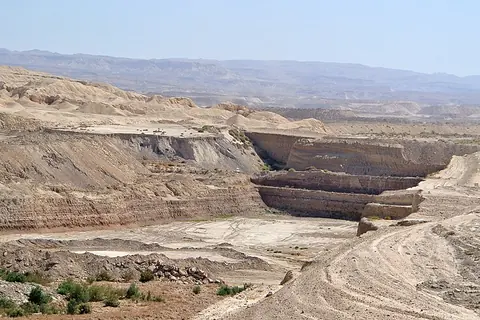
Raw materials for the fertiliser industry

HEYOX AG trades internationally in raw materials for the chemical, agricultural and processing industries. Our role is to bring supply and demand together while coordinating the commercial and logistical aspects of transactions.

  • Phosphates and acids
  • Rock phosphate
  • Phosphoric acid
  • Sulphuric acid
  • Sulphur and ammonia
  • Sulphur
  • Anhydrous ammonia
  • Potash and minerals
  • Potash (MOP / SOP)
  • Dolomite and bentonite

Typical grades

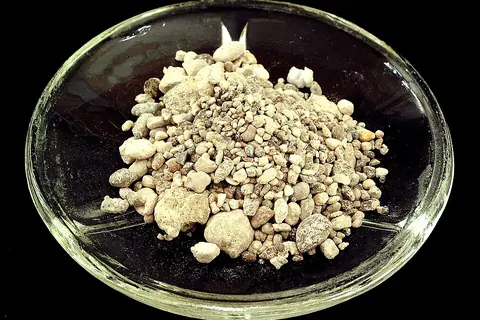
Rock phosphate
Phosphate ore used as the raw material for phosphoric acid and phosphate fertilisers. Specified by P₂O₅ content, which varies with origin, as well as moisture, particle size and impurities such as cadmium.
Phosphoric acid
Used in fertiliser, food and industrial applications. Grades differ by concentration (commonly about 75 % to 85 %) and purity.
Sulphuric acid
Strong mineral acid used in fertiliser production, chemical processing and metal treatment. Commonly traded at concentrations such as 98 %.
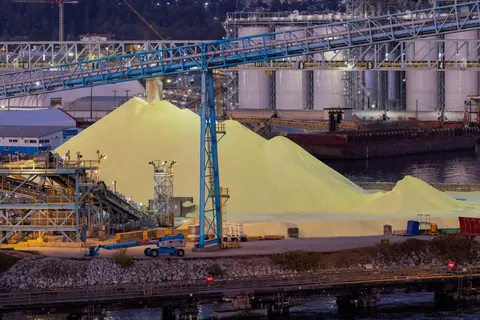
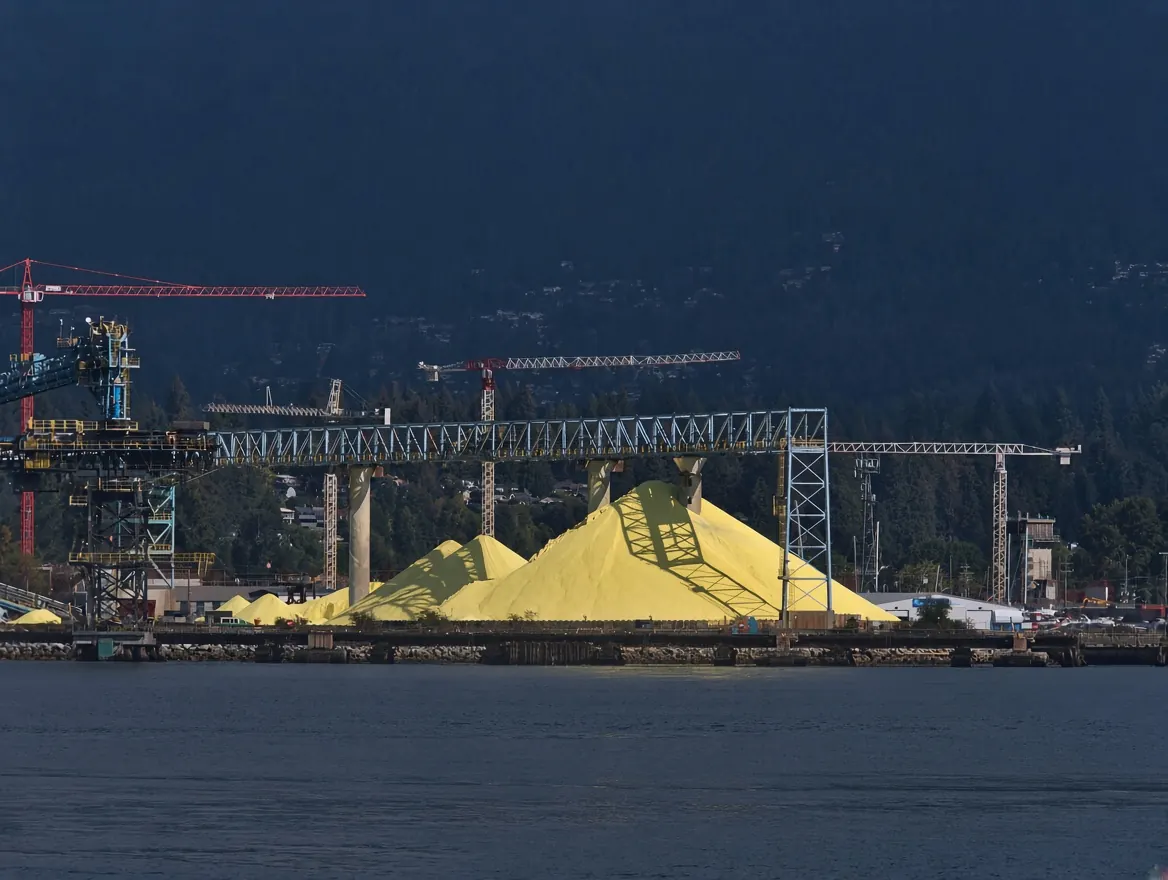
Sulphur
Basic raw material for sulphuric acid and fertiliser production. Traded as granules, pellets or molten (liquid) sulphur, depending on the market; purity is generally above 99 %.
Anhydrous ammonia
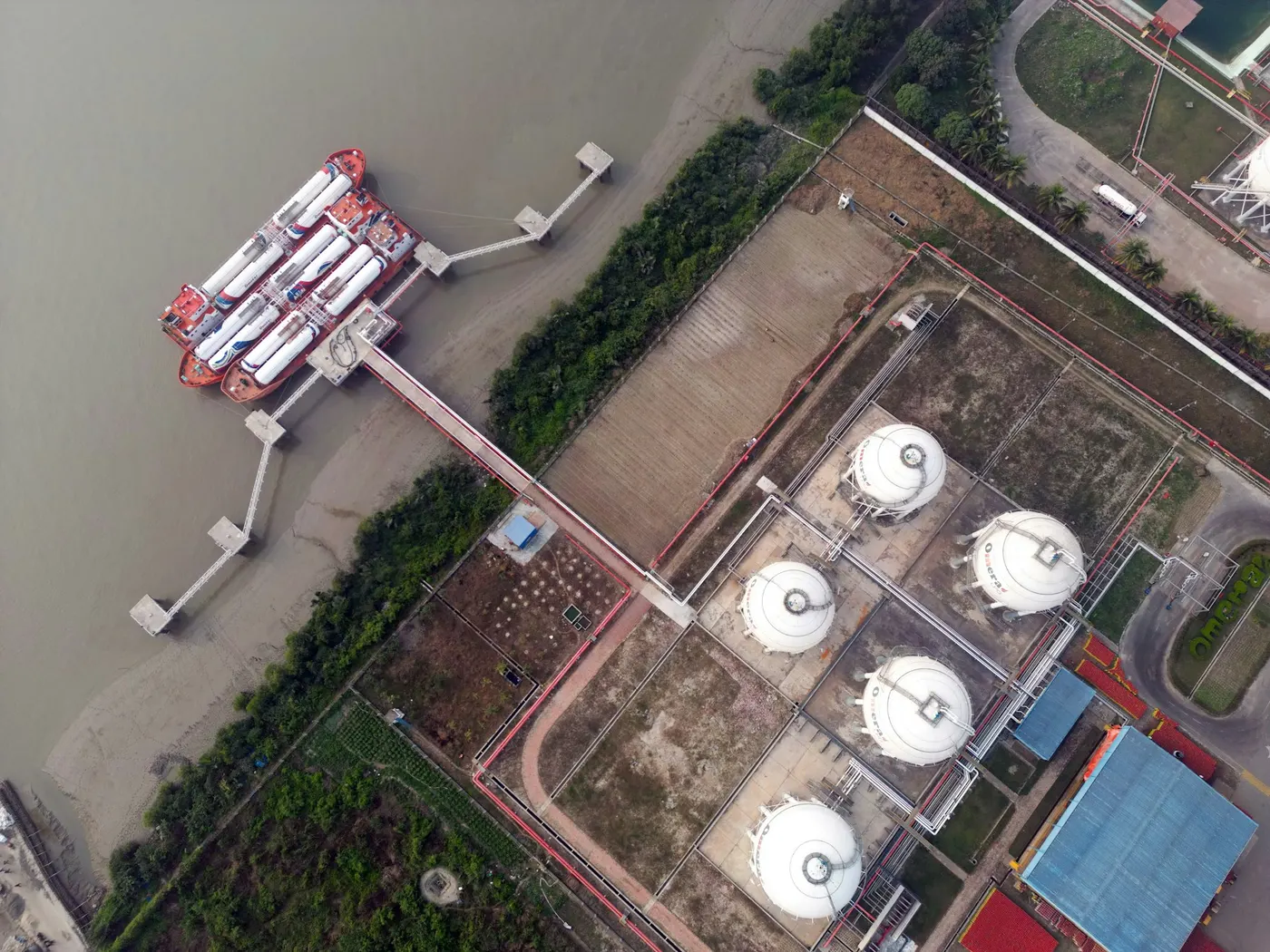
Nitrogen source (about 82 % N) for fertiliser and chemical production, shipped liquefied under pressure or refrigerated. A toxic, regulated product with strict transport rules.
Potash (MOP / SOP)
Potassium chloride (about 60 % K₂O) and potassium sulphate (about 50 % K₂O) as raw materials for the manufacture and blending of fertilisers. Grade and granulometry are specified for each offer.
Dolomite and bentonite
Dolomite (calcium-magnesium carbonate) is used as a filler and as a source of calcium and magnesium in fertilisers; bentonite is a clay used as a binder in granulation and in sulphur-based fertilisers.

Typical uses

Production of phosphate and nitrogen fertilisers, process chemistry, metal treatment, mining and other industrial processes.

Typical forms and packaging

Sulphur in bulk (granules, pellets) or molten in heated tankers; rock phosphate in bulk by sea; acids in ISO tank containers, IBCs, drums or bulk by tanker, depending on the product and volume. Anhydrous ammonia is shipped liquefied in pressurised or refrigerated tankers; potash, dolomite and bentonite in bulk or in bags.

Regulatory framework

Sulphur and acids are regulated products. In Europe, REACH and CLP apply and a safety data sheet (SDS) is required; dangerous goods transport follows ADR (road), RID (rail) and IMDG (sea). Some substances, such as sulphuric acid, are monitored as drug precursors in several jurisdictions, which may require end-use documentation. Rock phosphate is subject to limits on contaminants such as cadmium, which vary by destination market. Requirements differ by country. Anhydrous ammonia is a toxic gas under pressure, classified as dangerous goods for road, rail and sea transport, and is subject to strict handling rules.

Industrial and food-industry chemicals

HEYOX AG offers sourcing solutions for chemicals used in industry and in the food industry, in particular for the extraction and refining of vegetable oils. Operations are organised according to contractual specifications, quality requirements and applicable regulations.

  • Industrial chemicals
  • Sulphuric acid
  • Phosphoric acid
  • Caustic soda
  • Citric acid
  • Industrial solvents
  • Chemicals for the food industry
  • Hexane for vegetable oil extraction
  • Chemicals for vegetable oil refining
  • Food-grade phosphoric acid
  • Food-grade citric acid

Typical grades

Sulphuric and phosphoric acid
Industrial grades: sulphuric acid, commonly traded at 98 %, and phosphoric acid, commonly about 75 % to 85 %. Used in chemical processing, fertiliser production and metal treatment.
Caustic soda
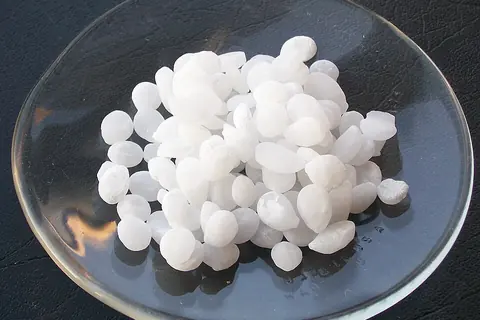
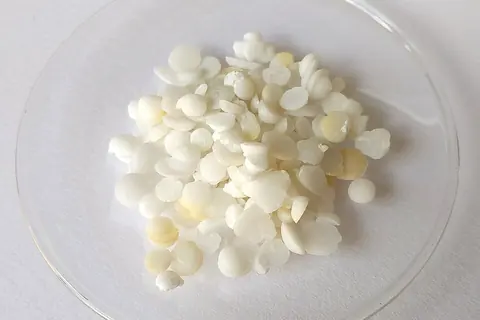
Sodium hydroxide, traded as a solution (commonly about 50 %) or as solid flakes or pearls. Used in chemical processing, water treatment and many other industries. Corrosive.
Citric acid
Organic acid traded as monohydrate or anhydrous crystals, in technical and food grades. Used in food, beverages, detergents and industrial applications.
Industrial solvents
Solvents for industrial use, supplied against the user's technical specification (purity, distillation range, water content and packaging).
Industrial hexane
Petroleum-derived solvent widely used to extract vegetable oils. Highly flammable; specified by purity and distillation range.
Chemicals for vegetable oil refining
Chemicals used in the degumming, neutralisation and bleaching of vegetable oils, such as phosphoric acid, citric acid and caustic soda, specified to the refiner's requirements.
Food-grade phosphoric and citric acid
Grades meeting the purity requirements for food additives, supplied with a certificate of analysis and the documentation required by the destination market.

Typical uses

Chemical processing, water treatment, the food and beverage industry, and vegetable oil extraction and refining.

Typical forms and packaging

Liquids are typically shipped in ISO tanks, IBCs, drums or in bulk by tanker, depending on the product and volume.

Regulatory framework

These are regulated chemicals. In Europe, REACH and CLP apply and a safety data sheet (SDS) is required; hexane and many solvents are highly flammable, and dangerous goods transport follows ADR (road), RID (rail) and IMDG (sea). Some solvents are monitored as drug precursors in several jurisdictions, which may require end-use documentation. Requirements differ by country. Food-grade products must comply with the food additive and food contact rules of the destination market.

Cereals, oilseeds and animal feed

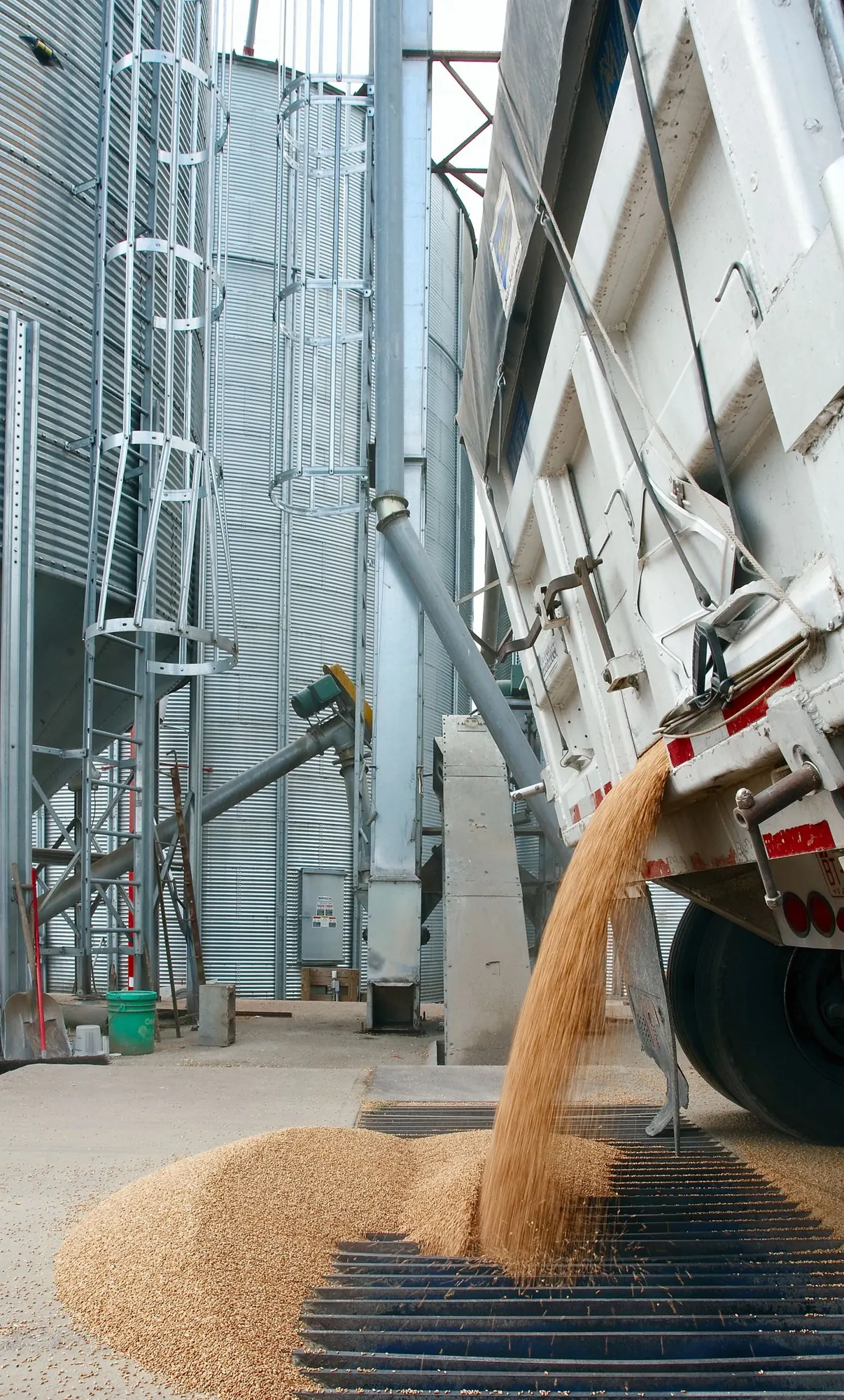
HEYOX AG offers international sourcing solutions for cereals, oilseeds, meals and raw materials for animal feed, according to its customers' needs and specifications. We favour a commercial approach adapted to buyers' requirements for quality, origin, specifications and delivery terms.

  • Soybeans and derived products
  • Soybeans (Grade 1 and 2)
  • Soybean meal (44 to 48 % protein)
  • Soybean oil
  • Maize and cereals
  • Yellow and white maize
  • Soft, durum and feed wheat
  • Barley and sorghum
  • Meals and plant proteins
  • Sunflower meal
  • Rapeseed meal
  • Maize DDGS
  • Oilseeds and vegetable oils
  • Sunflower and rapeseed seeds
  • Soybean, sunflower and palm oils
  • Raw materials for animal feed
  • Wheat and rice bran
  • Maize gluten
  • Feed phosphates (MCP / DCP)
  • Vitamin and mineral premixes

Typical grades

Soybeans and soybean products
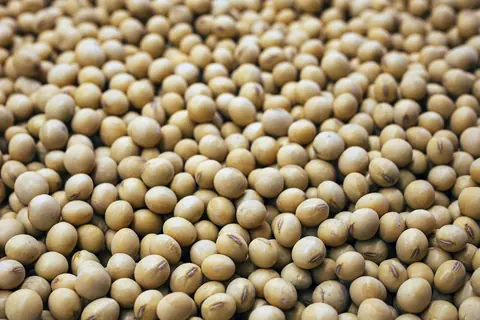
Soybeans (Grade 1 and 2) for crushing, food processing or feed; soybean meal traded by protein content, from 44 % to 48 %; and soybean oil. Key parameters are protein, oil and moisture content and foreign matter.
Maize
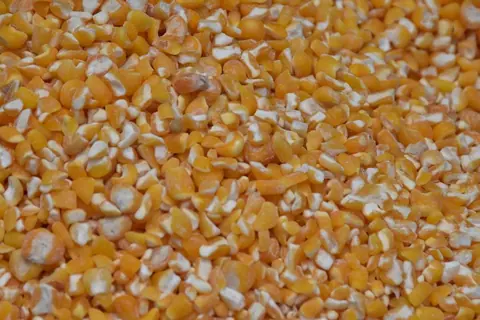
Cereal used mainly in animal feed and by the processing industry. Key parameters are moisture, impurities, broken kernels and mycotoxin levels (such as aflatoxin).
Wheat
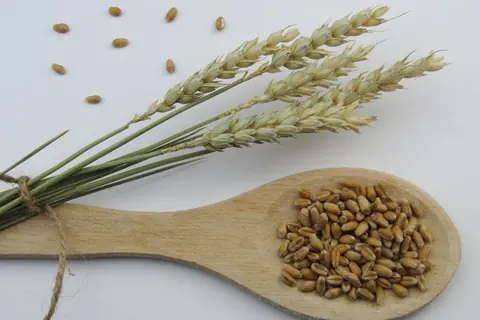
Soft, durum and feed wheat. Key parameters are protein content, test weight, moisture, falling number for milling wheat and impurities.
Barley and sorghum
Barley for malting or feed, and sorghum, an alternative to maize in many feed markets. Key parameters are moisture, impurities and, for sorghum, tannin content and mycotoxins.
Meals and plant proteins
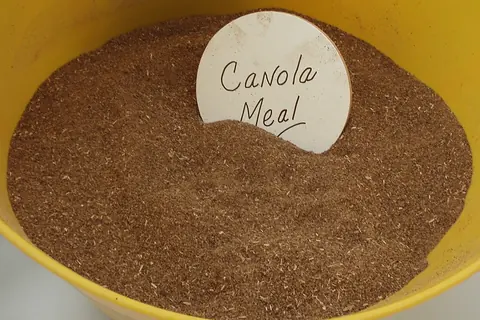
Sunflower meal, rapeseed meal and maize DDGS (distillers' dried grains with solubles): protein sources for feed formulation, specified by protein, fibre, fat and moisture content.
Oilseeds and vegetable oils
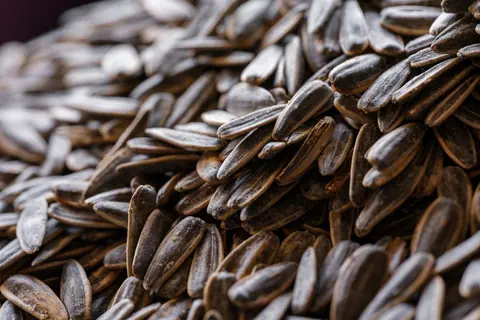
Sunflower and rapeseed seeds, and soybean, sunflower and palm oils. Oilseeds are specified by oil content and moisture; oils by free fatty acids, moisture and impurities.
Raw materials for animal feed
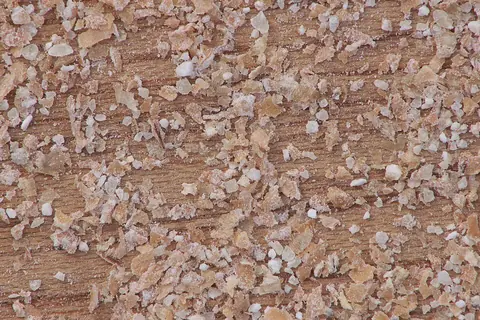
Wheat and rice bran, maize gluten, feed phosphates (MCP, DCP) and vitamin and mineral premixes for the manufacture of compound feed.

Typical uses

Animal feed formulation, vegetable oil extraction, milling and food processing.

Typical forms and packaging

Grains, oilseeds and meals are generally shipped in bulk; vegetable oils in tankers or ISO tanks; premixes in bags. Containers and bags are alternatives for smaller lots.

Regulatory framework

Feed and food safety rules apply, including limits for mycotoxins and other contaminants. Import markets may require declarations or authorisations on genetically modified content, and phytosanitary certificates. Feed additives and premixes must comply with the feed legislation of the destination market.

Agricultural seeds

HEYOX AG is developing a commercial offer in seeds for agricultural professionals. Our aim is to make it easier to access seeds that meet the agronomic, technical and regulatory requirements of destination markets.

  • Cereal seeds
  • Forage seeds
  • Vegetable seeds
  • Field crop seeds
  • Other agricultural varieties according to market needs

Typical grades

Cereal seeds
Seed of wheat, barley and other cereals.
Forage seeds
Seeds of forage grasses and legumes for meadows and pasture.
Vegetable seeds
Vegetable seeds for professional growers; varieties and quantities according to the buyer's needs.
Field crop seeds
Seeds for arable crops such as oilseeds, maize, sunflower and pulses, according to the buyer's needs.
Quality parameters
Variety, purity, germination rate, thousand-seed weight and any seed treatment are specified for each lot and stated in the offer.

Typical uses

Sowing of commercial arable, forage and vegetable crops by farmers, growers, cooperatives and seed distributors.

Typical forms and packaging

Typically supplied in bags or big bags, often palletised. Treated seed requires specific labelling and handling.

Regulatory framework

Seed trade is regulated: varieties must be registered and lots certified under national or international schemes (for example the OECD seed schemes), and cross-border shipments generally require a phytosanitary certificate. Import rules differ by country.

HEYOX AG is a trading company and does not manufacture the products listed. Availability, specifications and conditions are provided on request. Figures and ranges shown are typical, indicative values.

Chat on WhatsApp